퇴근 후 낯선 거리를 걷다 문득 외로움을 느껴본 적 있으신가요? 타지에서 '거주'를 넘어 이 도시의 진짜 일원이 되었다는 '소속감'을 갖기까지는 생각보다 많은 용기와 시간이 필요합니다.
Have you ever suddenly felt lonely while walking through an unfamiliar neighborhood after work? It takes more courage and time than we might expect to move beyond simply living in a new place and develop a genuine sense of belonging—the feeling that you are truly part of the city.
델은 2014년 한국에 첫발을 디딘 뒤 자신만의 취미와 커뮤니티로 단단한 일상을 만들어온 12년 차 한국 거주자예요. 경남 양산에 살며 하이킹과 트레일 러닝, 그리고 영어 스피치 모임 '토스트마스터즈'로 한국 사람들과 깊게 호흡하고 있죠. 그가 낯선 공간의 문을 열기까지 무엇이 필요했는지, 그리고 지금 한국을 '진짜 나의 집'이라 부를 수 있게 된 이유를 물어봤습니다.
Del has been living in Korea for 12 years since first arriving in 2014, building a fulfilling daily life through his own hobbies and communities. Now living in Yangsan, Gyeongsangnam-do, he connects deeply with people in Korea through hiking, trail running, and Toastmasters, an English-speaking public speaking community. We asked him what it took to open the door to unfamiliar spaces, and what eventually made Korea a place he could truly call home.
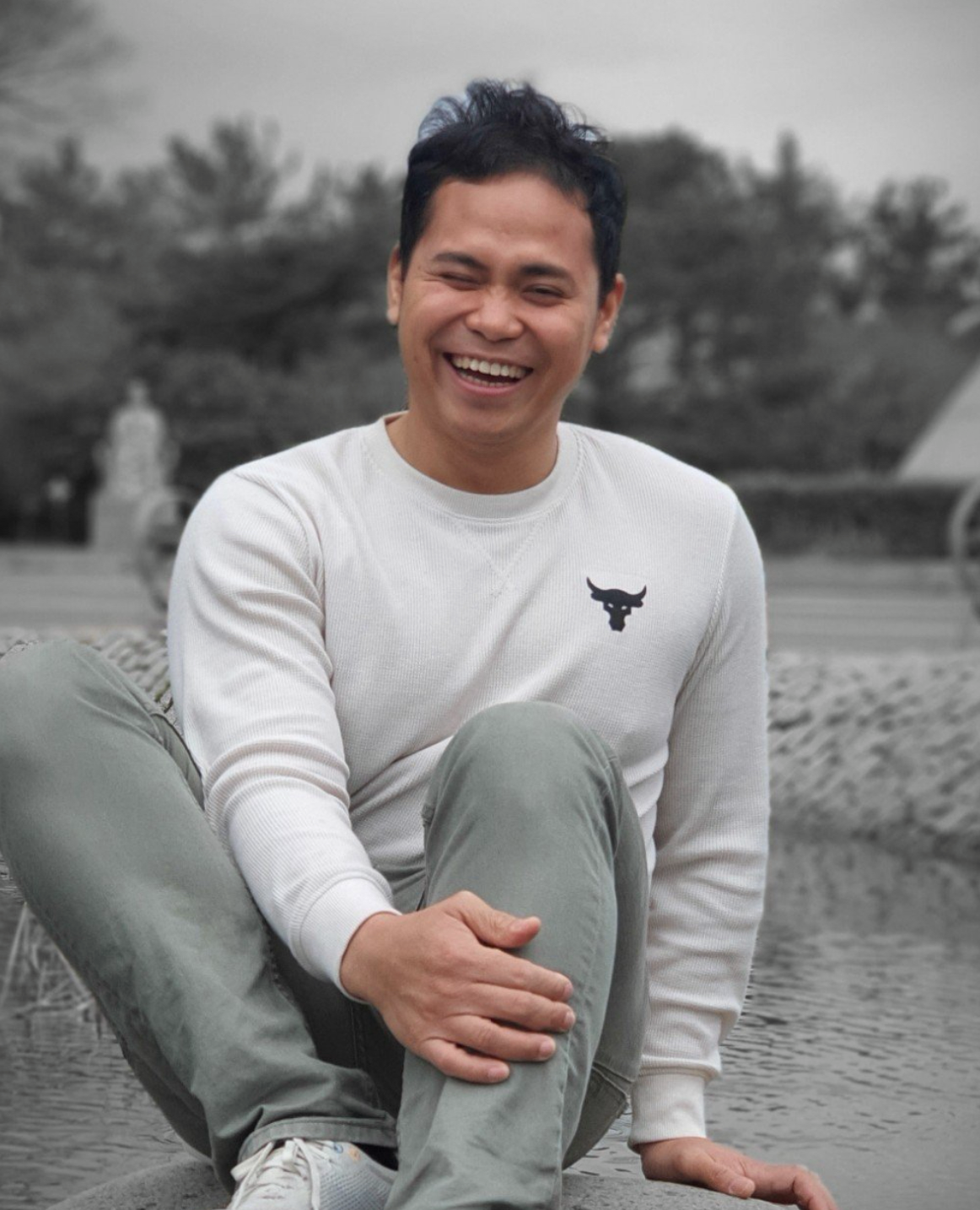 스페이스클라우드 ㅣ 델 제공
한국 거주 12년 차라니 정말 반갑고 놀라운데요. 간단한 자기소개와 함께 한국과의 인연을 들려주세요.
It’s amazing to hear that you’ve been living in Korea for 12 years! Could you briefly introduce yourself and tell us how your journey with Korea began?
ㅣ 안녕하세요, 델 입니다. 2014년에 처음 한국에 입국해 성남에서 직장 교육을 받고 부산을 거쳐, 지금은 경남 양산에서 4년째 살고 있어요. 한국에 오기 전에는 쿠웨이트에서 3년 정도 일했는데, 사실 처음 올 때만 해도 이렇게 오래 머물게 될 줄은 전혀 몰랐습니다. (웃음)
ㅣ Hi, I’m Del. I first came to Korea in 2014 for work training in Seongnam. After spending some time in Busan, I eventually settled in Yangsan, Gyeongsangnam-do, where I’ve now lived for four years. Before coming to Korea, I worked in Kuwait for about three years. Honestly, when I first arrived, I never imagined I would end up staying this long. (laughs)
예상보다 길어진 한국 생활, 델을 사로잡은 매력은 무엇인가요?
Your life in Korea has lasted much longer than you originally expected. What has kept you here?
ㅣ 살다 보니 한국의 매력에 푹 빠지게 됐어요. 가장 좋아하는 건 단연 4계절과 아름다운 자연이에요. 여름은 덥고 겨울은 춥지만, 봄과 가을 풍경은 정말 경이로울 정도거든요. 저는 하이킹이나 트레일 러닝처럼 자연 속에서 시간 보내는 걸 좋아하는데, 한국은 도시에서 조금만 벗어나도 멋진 산과 해안 산책로에 닿을 수 있을 만큼 접근성이 좋아요. 근교 산을 찾거나 바닷가를 걷는 시간이 저에게는 무엇과도 바꿀 수 없는 힐링이자 에너지 충전 시간입니다.
ㅣ Over time, I really fell in love with Korea. What I love most are the four seasons and the beautiful nature. Summer can be hot and winter can be cold, but the scenery in spring and fall is truly breathtaking. I love spending time in nature through activities like hiking and trail running, and one of the things I appreciate most about Korea is how accessible nature is. You can leave the city and reach beautiful mountains or coastal trails in no time. For me, exploring nearby mountains or walking along the coast is an irreplaceable way to relax, recharge, and regain my energy.
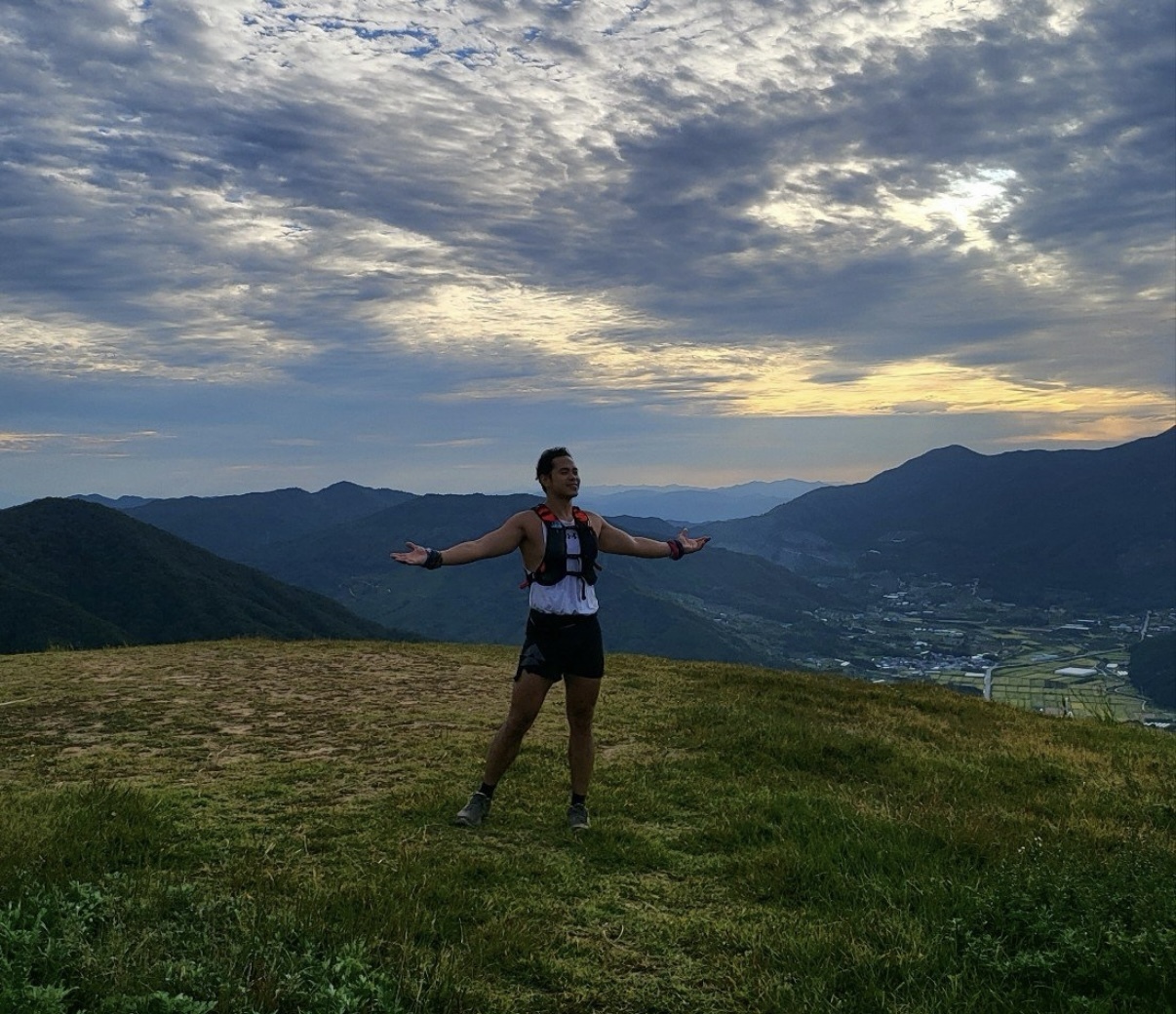 스페이스클라우드 ㅣ 델 제공
타지 생활 속에서도 고향에서 즐기던 라이프스타일을 잘 이어가고 계신 것 같아요.
It sounds like you’ve also managed to maintain the lifestyle you enjoyed back home.
ㅣ 그럼요. 활동적인 라이프스타일을 유지하려고 노력해요. 사진 촬영, 철인 3종 경기, 트레일 러닝을 꾸준히 즐기고 있고, 2012년부터 이어온 영어 스피치 모임 '토스트마스터즈' 활동도 한국에서 계속하고 있어요. 온·오프라인을 병행하며 김해 지역의 스터디룸이나 회의실을 대여해 정기적으로 모이는데, 이 커뮤니티에서 만난 좋은 사람들 덕분에 한국 생활에 정말 큰 힘을 얻고 있습니다.
ㅣ Absolutely. I try to maintain an active lifestyle. I regularly enjoy photography, triathlons, and trail running, and I’ve also continued participating in Toastmasters, an English-speaking public speaking community I first joined in 2012. We meet regularly both online and offline, renting study rooms or meeting spaces around the Gimhae area. The wonderful people I’ve met through this community have been a huge source of support during my life in Korea.
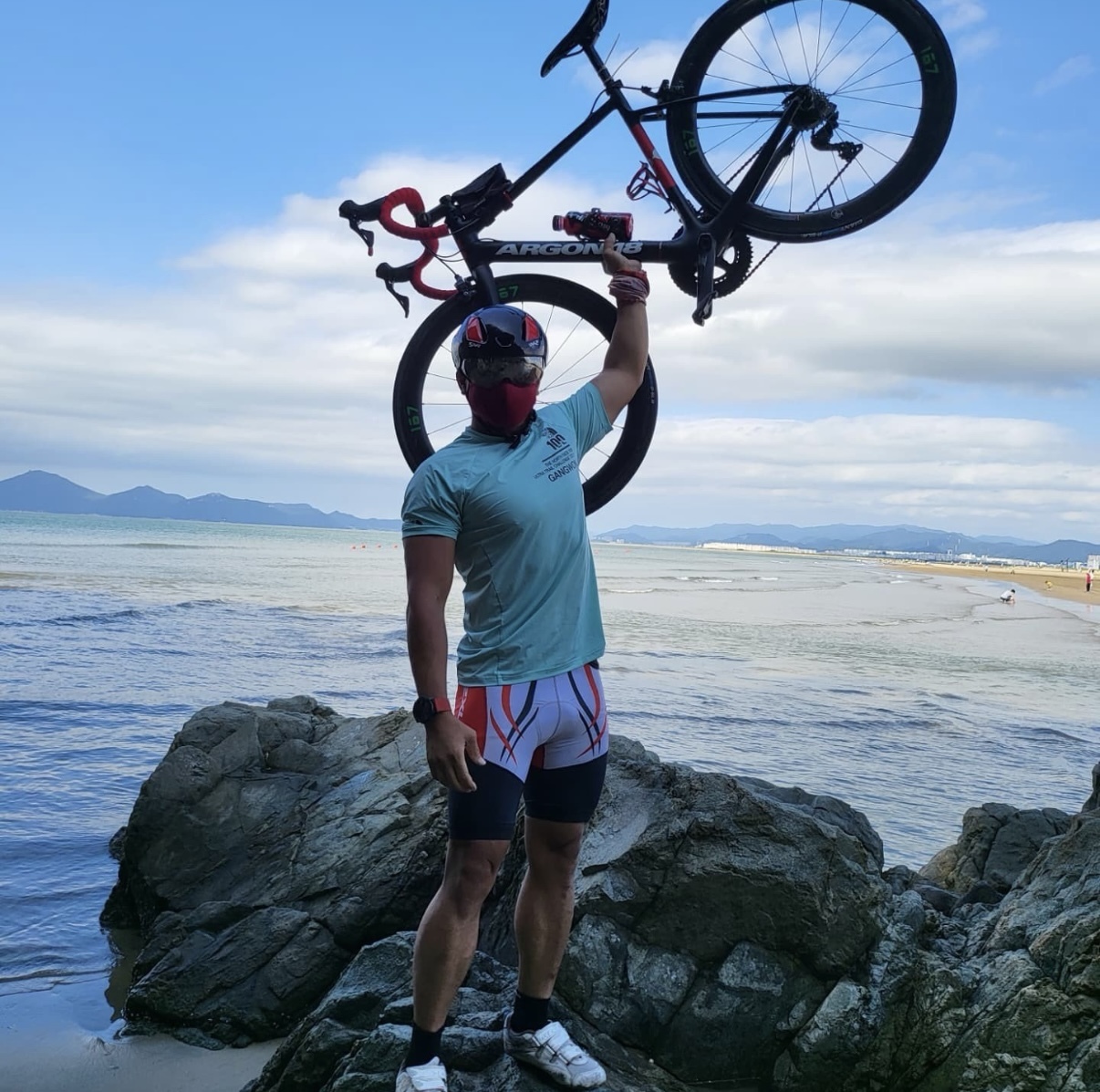 스페이스클라우드 ㅣ 델 제공
지금은 훌륭하게 정착하셨지만, 초창기에는 어떤 점이 가장 힘드셨나요?
You’ve clearly settled in well now, but what was the hardest part when you first arrived?
ㅣ 가장 큰 장벽은 단연 언어였어요. 마음만큼 자유롭게 소통되지 않으니 답답함이 컸죠. 지금도 한국어를 배우는 중인데, 영어가 통하는 친구들과 자주 어울리다 보니 생각만큼 빠르게 늘지 않아 늘 아쉬워요. 간단한 대화는 가능하지만 길어지면 여전히 배움이 더 필요하다고 느낍니다. 두 번째는 생소했던 '공간 문화'였어요. 대표적으로 찜질방처럼 낯선 사람들과 밀집된 공간에서 씻고 잠까지 자는 문화가 처음엔 문화적 충격이자 어색함으로 다가왔죠.
ㅣ The biggest barrier was definitely the language. It was frustrating not being able to communicate as freely as I wanted. I’m still learning Korean, but because I often spend time with friends who speak English, I don’t improve as quickly as I’d like. I can handle simple conversations, but whenever they get longer, I still feel like I have more to learn. The second challenge was an unfamiliar “space culture.” For example, places like jjimjilbangs were completely new to me. The idea of showering and even sleeping in a shared space with strangers initially felt both like a cultural shock and an awkward experience.
공간 문화에 대한 이야기가 흥미로운데요. 외국인 입장에서 공간에 적응할 때 가장 필요한 건 무엇인가요?
That idea of “space culture” is really interesting. From a foreigner’s perspective, what do you think people need most when adapting to new spaces?
사실 외국인에게 제일 중요한 건 단순한 장소의 위치가 아니라 그 공간의 사전 '분위기'예요. 예를 들어 크로스핏 체육관에 가고 싶어도 운동 강도가 얼마나 격렬한지, 음악이나 소음이 큰지, 초보자나 외국인도 환영받을 수 있는 곳인지 미리 알 수 없으면 선뜻 문을 열고 들어가기가 무섭거든요. 공간의 소음 정도, 이용 스타일, 전반적인 분위기를 직관적으로 설명해 주는 가이드가 있다면 외국인들이 당황하지 않고 훨씬 쉽게 새로운 공간에 첫발을 내딛을 수 있을 거예요.
What matters most to foreigners isn’t simply knowing where a place is, but knowing the “vibe” of the space beforehand. For example, even if I want to try a CrossFit gym, it can be intimidating if I don’t know how intense the workouts are, how loud the music or noise is, or whether beginners and foreigners are welcome. If there were a simple guide that could intuitively explain things like the noise level, how people typically use the space, and the overall atmosphere, I think foreigners would feel much more comfortable taking that first step into a new space.
어색함과 두려움을 무릅쓰고 새로운 공간의 문을 열게 만든 결정적 계기가 있었나요?
Was there a particular moment that gave you the courage to overcome that awkwardness and start entering unfamiliar spaces?
ㅣ 낯선 장소의 문을 열기 전엔 누구나 망설여지죠. 하지만 그 공간에 영어를 할 줄 아는 사람이나 스태프가 단 한 명이라도 있다는 사실을 알게 되면 마음이 급격히 편안해져요. 트레일 러닝 장소나 스피치 모임을 위한 스터디룸을 찾아다니며 자연스럽게 한국인들과 엮이게 됐고, 소통하는 과정에서 스스로가 훨씬 당당해지고 강해짐을 느꼈어요. 그 심리적 장벽을 한 번 넘어서고 나니 한국에서의 삶 전체가 한층 유연해졌습니다.
ㅣ Everyone hesitates before entering an unfamiliar place. But once I know that there is even one person or staff member who can speak English, I immediately feel much more comfortable. I started looking for places to trail run and study rooms for my speaking group, and through those experiences I naturally began connecting with more Korean people. As I communicated with them, I felt myself becoming much more confident and independent. Once I crossed that psychological barrier, life in Korea became much more flexible and comfortable overall.
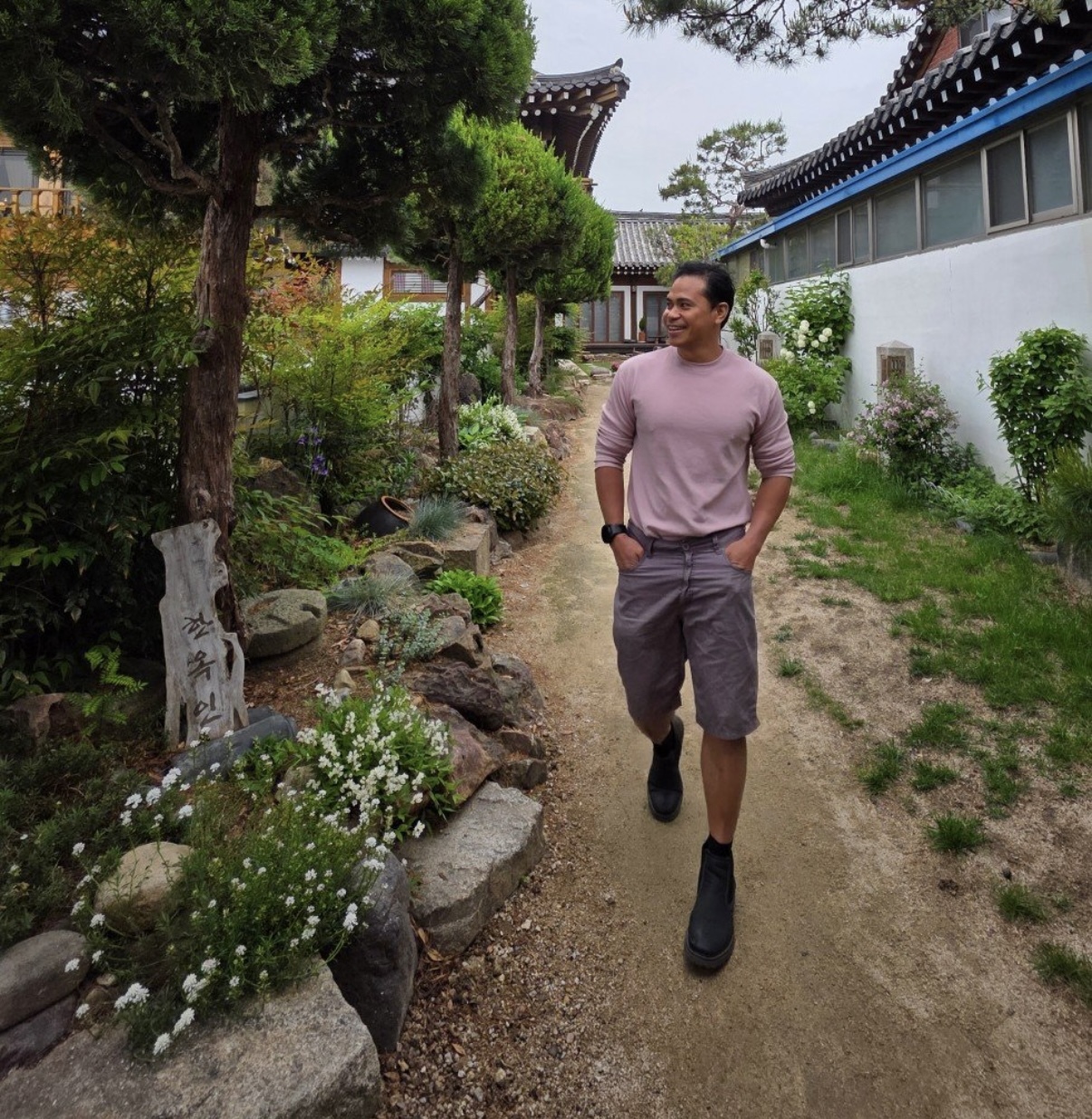 스페이스클라우드 ㅣ 델 제공
"아, 여기는 나를 정말 환영하는 곳이구나" 하고 느끼게 만드는 호스트의 요소는 무엇이었나요?
What makes a host feel like, “Oh, this is a place where I’m genuinely welcome”?
ㅣ 호스트의 밝고 친근하며 외향적인 에너지가 무엇보다 중요해요. 완벽한 영어를 할 필요는 전혀 없어요. 따뜻한 미소로 반겨주고, 외국인 손님에게 기초적인 한국어 표현을 가르쳐주는 친절함이면 충분하거든요. 예를 들어 주문을 받거나 안내할 때 "감사합니다", "맛있어요" 같은 기초 표현을 알려주면, 외국인 입장에서는 이걸 바로 활용해 보면서 '내가 이 문화에 자연스럽게 스며들고 있구나' 하는 소소한 성취감을 느껴요. 소통의 물꼬가 터지는 순간이죠. 저처럼 한국어를 배우고 싶어 하는 외국인들에게는 한국어로 말할 수 있는 환경을 만들어주는 호스트가 최고의 호스트예요. (저에게 한국어로 많이 말 걸어주세요!)
ㅣ More than anything, I think it’s the host’s bright, friendly, and outgoing energy. You absolutely don’t need perfect English. A warm smile and the kindness to teach a foreign guest a few basic Korean expressions are enough. For example, when taking an order or showing someone around, teaching them simple phrases like “감사합니다” or “맛있어요” gives foreigners an immediate chance to try using Korean themselves. That small success can make you feel, “I’m actually becoming part of this culture.” It’s the moment when communication really begins to flow. For foreigners like me who want to learn Korean, a host who creates an environment where we can speak Korean is the best kind of host. (Please talk to me in Korean!)
이제 막 한국에 도착해 자신만의 '제3의 공간'을 찾아 나선 뉴 로컬 친구들에게 조언을 건넨다면요?
What advice would you give to newcomers who have just arrived in Korea and are looking for their own “third place”?
ㅣ 우선 한국의 산과 자연을 마음껏 즐기세요. 한국은 국토의 70%가 산인 산악 천국이거든요. 등산하다 보면 엄청난 속도로 지나쳐 가시는 어르신들을 보고 깜짝 놀라실 거예요. (하하) 차로 편하게 올라가 탁 트인 전경을 볼 수 있는 부산 황령산이나, 시대극 세트장인 합천 영상테마파크를 강력 추천해요. 계절의 정점을 느낄 수 있는 4월과 11월엔 꼭 자연으로 떠나보시고요. K-드라마를 좋아하신다면 <도깨비>나 <시크릿 가든> 같은 드라마 촬영지를 탐방하는 것도 좋아요. 저도 페이스북에 K-드라마 촬영지 사진 앨범을 따로 만들어 둘 정도랍니다.
ㅣ First, make the most of Korea’s mountains and nature. Around 70% of Korea is mountainous, so it’s practically a paradise for hiking. When you go hiking, you might be surprised to see older Korean hikers passing you at incredible speeds! (laughs) I highly recommend Hwangnyeongsan in Busan, where you can easily drive up and enjoy a wide-open view, or Hapcheon Movie Theme Park, which features sets from historical dramas. Be sure to get out into nature in April and November, when you can really experience the beauty of the seasons. If you’re a fan of K-dramas, exploring filming locations from shows like Goblin or Secret Garden can also be a lot of fun. I even have a separate Facebook album dedicated to photos I’ve taken at K-drama filming locations.
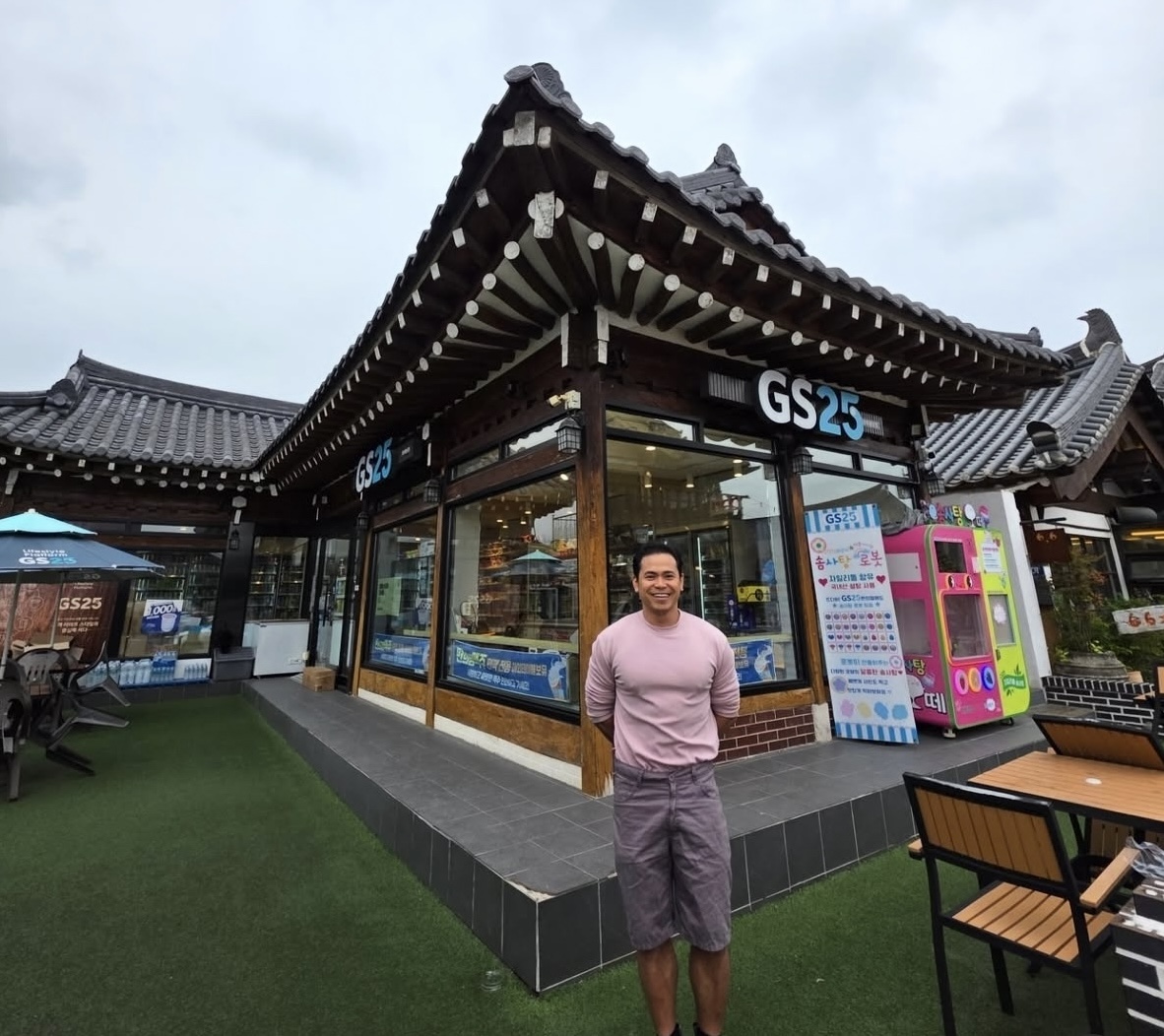
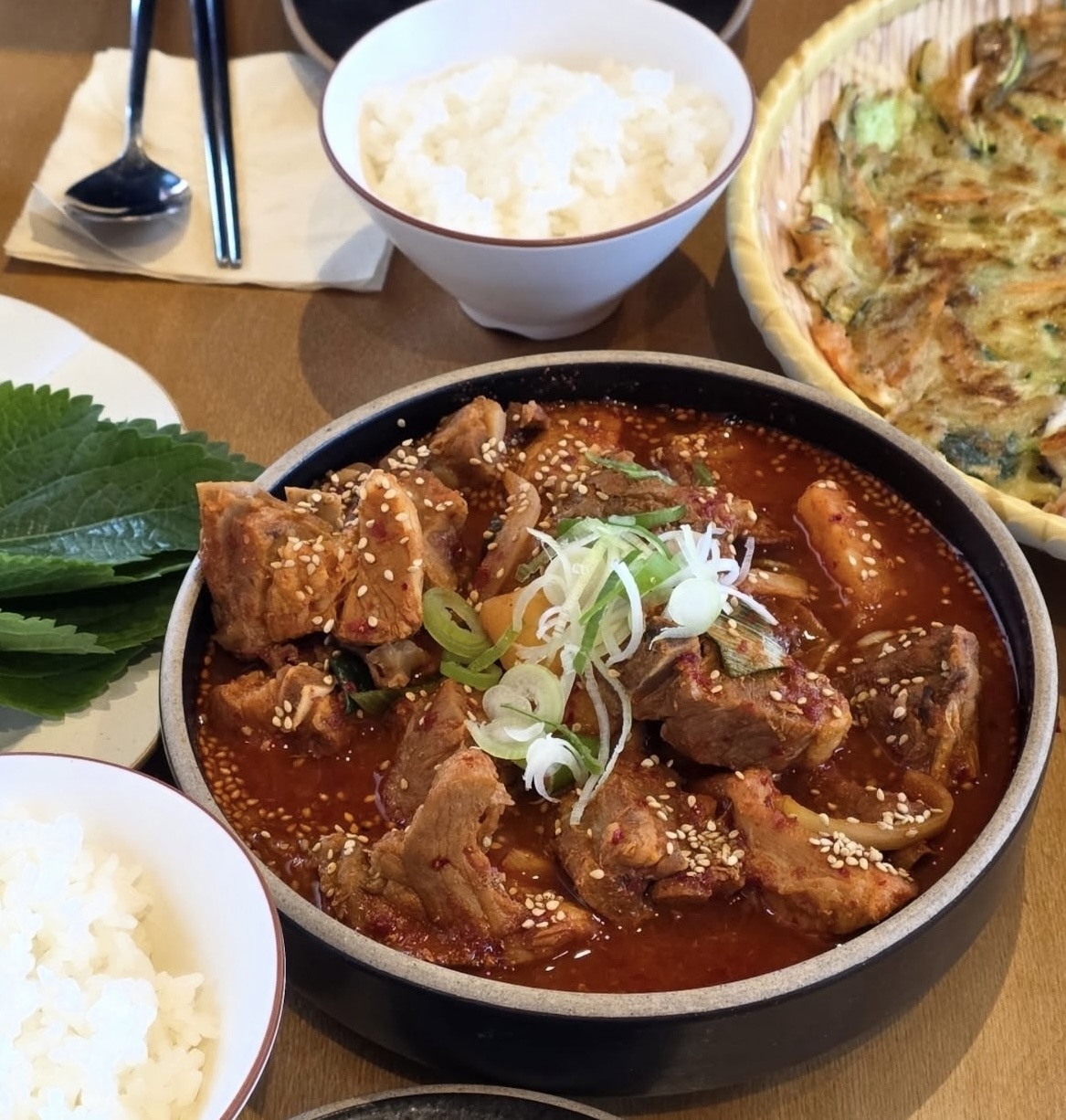
그리고 나만의 단골 한식당을 만들어 보세요. 갈비탕처럼 호불호 없이 맛있는 한식부터 차근차근 도전해보시고요. 자주 찾는 로컬 식당 사장님과의 소통은 한식의 매력에 빠지게 할 뿐만 아니라 살아있는 한국어를 배우는 가장 훌륭한 통로가 됩니다. 그 식당 자체가 훌륭한 제3의 공간이 될 수 있어요.
And find your own favorite local Korean restaurant. Start with approachable Korean dishes like galbitang and gradually try different kinds of Korean food. Getting to know the owner of a local restaurant you visit regularly isn’t just a great way to discover the charm of Korean food—it can also be one of the best ways to learn real, everyday Korean. That restaurant itself can eventually become a wonderful third place.
 스페이스클라우드 ㅣ 델 제공
마지막으로, 한국에서 나만의 '제3의 공간'을 찾는다는 것은 델에게 어떤 의미인가요?
Finally, what does finding your own “third place” in Korea mean to you?
ㅣ 나만의 공간을 찾는다는 건 단순히 '갈 곳이 생겼다'는 의미 그 이상이에요. 한국이라는 사회와 문화 안으로 온전히 스며들고, 내 삶을 훨씬 풍요롭고 다채롭게 만들어가는 과정 그 자체죠. 아무리 낯선 도시라도 나를 반겨주는 온기와 친절한 호스트가 있는 공간을 하나씩 발견해 나간다면, 어느새 한국은 '남의 나라'가 아니라 '내가 살아가는 나의 진짜 집'이 되어 있을 거예요.
ㅣ Finding your own space means much more than simply having somewhere to go. It’s a process of becoming truly connected to Korean society and culture, while making your life richer and more diverse. Even in an unfamiliar city, if you gradually discover spaces filled with warmth and welcoming hosts, Korea can eventually stop feeling like “someone else’s country” and become “my real home—the place where I live my life.”